
Build for yield, not just a roof.
New builds, granny flats and dual-income homes, chosen for return and priced to the suburb. We publish the real all-in build cost so the numbers you model are the numbers you pay. Free to you, because the builder pays us.
Last updated 14 June 2026. Investment figures on this page are illustrative, general information only, not financial or tax advice.
Why a new build beats an established home for investors.
The Property Plug is a Perth building broker for investors. A new build hands you a full depreciation schedule from settlement, current build standards, builder warranty and lower maintenance, while a granny flat or dual-key design adds a second rent from one block. We price every design against real suburb siteworks so the yield you model is honest.
Investors think in yield, depreciation, cashflow and dual income, not in showroom finishes. Every Perth volume builder can only show you their own stock and gates the real price behind an enquiry. We compare the whole panel for your block and budget, then show the all-in build number before you commit. That single datum, the price you actually pay to build in your suburb, is what lets you model a real return instead of a teaser.
Across our panel that is 46 designs and 102 Perth suburbs costed. New-home builds start at $309,218 for the home, granny flats start at $217,500, and your suburb's siteworks are added transparently on top. Land is bought separately, so these are build numbers, not a land-included package price.
Buy new where the rent-to-cost ratio works
A new build in a Perth growth corridor can carry a stronger gross yield than an established home at the same price, because the build cost is fixed and the rent is current.
Read the strategy → DepreciationClaim non-cash deductions a 30-year home cannot
A brand-new build gives you the full depreciation schedule on the structure and fixtures from day one. Established stock has already been depreciated by previous owners.
Read the strategy → Dual incomeTwo rents from one title
Add a granny flat or build dual-key and you collect two incomes from a single block, lifting gross yield well past a standard single-tenancy home.
Read the strategy → Dual-keyOne roof, two self-contained dwellings
A dual-key home splits into two private dwellings under one build contract and one title, so you let both sides or live in one and rent the other.
Read the strategy → TurnkeyWalk-in ready, no surprise spend
A turnkey contract finishes flooring, paint, blinds, fencing and landscaping so the property is tenant-ready the day it hands over.
Read the strategy →Yield is the rent divided by what you actually paid.
A new build keeps the cost side honest because the build price is fixed and current. Established homes hide capital works, older fittings and deferred maintenance that erode the real return. Below is an indicative yield band on the lowest 4-bed build cost across three growth corridors.
| Suburb | Build all-in (home + siteworks) | Indicative weekly rent | Indicative gross yield on build |
|---|---|---|---|
| Baldivis | $335,528 | $620 | 9.6% |
| Wellard | $335,676 | $610 | 9.4% |
| Piara Waters | $335,996 | $650 | 10.1% |
Yield against the build cost only. Add land to model your true total cost and net yield. Figures illustrative and general information only, not advice. Full rental yield guide →
A new build depreciates. A second-hand one already has.
Depreciation is a non-cash tax deduction on the decline in value of your building and its fixtures. A brand-new build gives you the full schedule from settlement, while an established home has already had years of it claimed by previous owners. That deduction can be the difference between a property that costs you weekly and one that pays its way.
- Capital works (Division 43). The structure of a new residential build is generally deductible at 2.5% a year over 40 years. On a $309,218 build that is a meaningful annual non-cash deduction, a representative figure your quantity surveyor confirms.
- Plant and equipment (Division 40). Items like the oven, cooktop, air-conditioning, carpets and blinds depreciate faster on their own effective-life schedules. New-build investors can claim these in full, where second-hand plant in an established home is restricted.
- The schedule is property-specific. You need a registered quantity surveyor to prepare a tax depreciation schedule for your exact build. We never publish a deduction figure for your property without one.
Because every design in our catalogue is a new build, the whole catalogue qualifies for a fresh depreciation schedule. Read the depreciation guide →
A 4-bed in Baldivis, modelled end to end.
Using real catalogue numbers and clearly-labelled assumptions, here is how a single-tenancy new build pencils out. Swap the assumptions for your own in the calculator.
| Home (build) from | $314,760 |
|---|---|
| Baldivis siteworks | $20,768 |
| Build all-in (land separate) | $335,528 |
| Indicative rent | $620 / week ($32,240 / year) |
| Indicative gross yield on build | 9.6% |
- Fix the build cost. The build all-in is $335,528, home plus Baldivis siteworks. This is locked in your build contract, so it does not drift like an established renovation budget.
- Add land separately. A serviced corridor lot is a separate contract. Your true total is build all-in plus the land price, which sets your borrowing and net yield.
- Apply the rent. At an indicative $620 per week the gross rent is $32,240 a year, a gross yield of about 9.6% against the build cost.
- Layer the deductions. Depreciation on the new structure and fixtures reduces your taxable income, improving after-tax cashflow versus an established home, on a schedule your quantity surveyor prepares for your build.
- Stress-test the rate. Model your repayments against your actual loan and a higher rate before you commit. Our finance arm runs this with you.
This worked example is illustrative and general information only. It is not financial, tax or credit advice, a forecast, or an offer of finance. This is general information only and does not take into account your objectives, financial situation or needs. It is not credit assistance or a credit quote. Consider whether it is right for you and seek advice. Finance is arranged through Central Lending Solutions, the licensed Australian credit partner The Property Plug works with.
IndicativeEstimate only, not a quote or an offer. Figures combine a home design starting price with the suburb siteworks and do not include land. Designs, builders, land and pricing change and are subject to availability. We confirm a fixed price with your matched builder on enquiry.
The fastest way to lift gross yield is a second rent.
A dual-income property collects two rents from one block. Add a granny flat behind the home, or build a dual-key design split into two self-contained dwellings under one title. Both routes lift gross yield well past a single-tenancy build, and a granny flat doubles as a depreciation asset of its own.
As an indicative example, Haven (68m2) builds from $238,268 in Baldivis. At an indicative $430 per week that granny flat alone is a gross yield of about 9.4% on its build cost, on top of the rent from the main home. Dual-income guide → · Dual-key homes →
Efficient 4-bed homes and granny flats with real from-prices, the builder matched to each on access.
All 46 designs →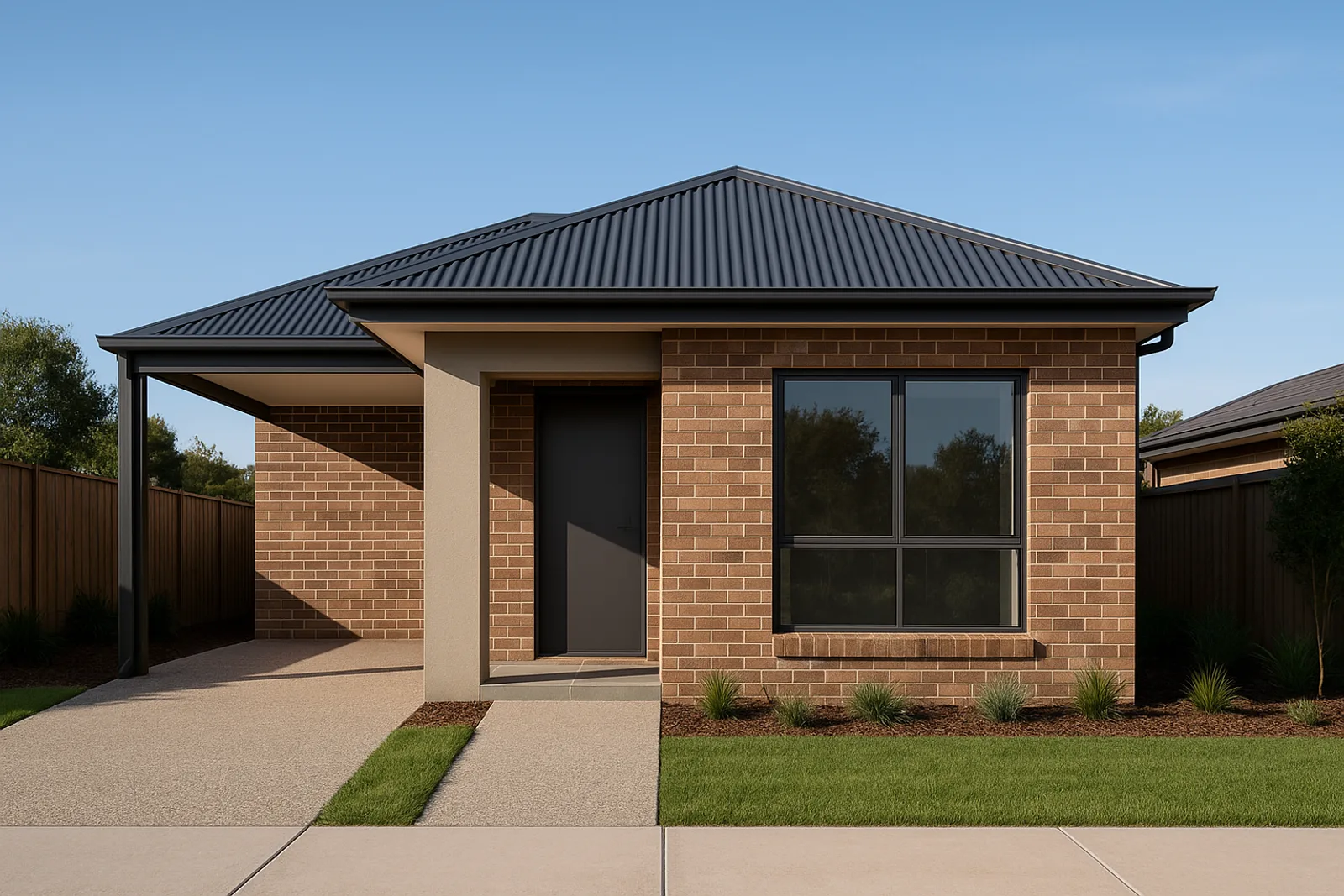 WA · Perth Granny flat
 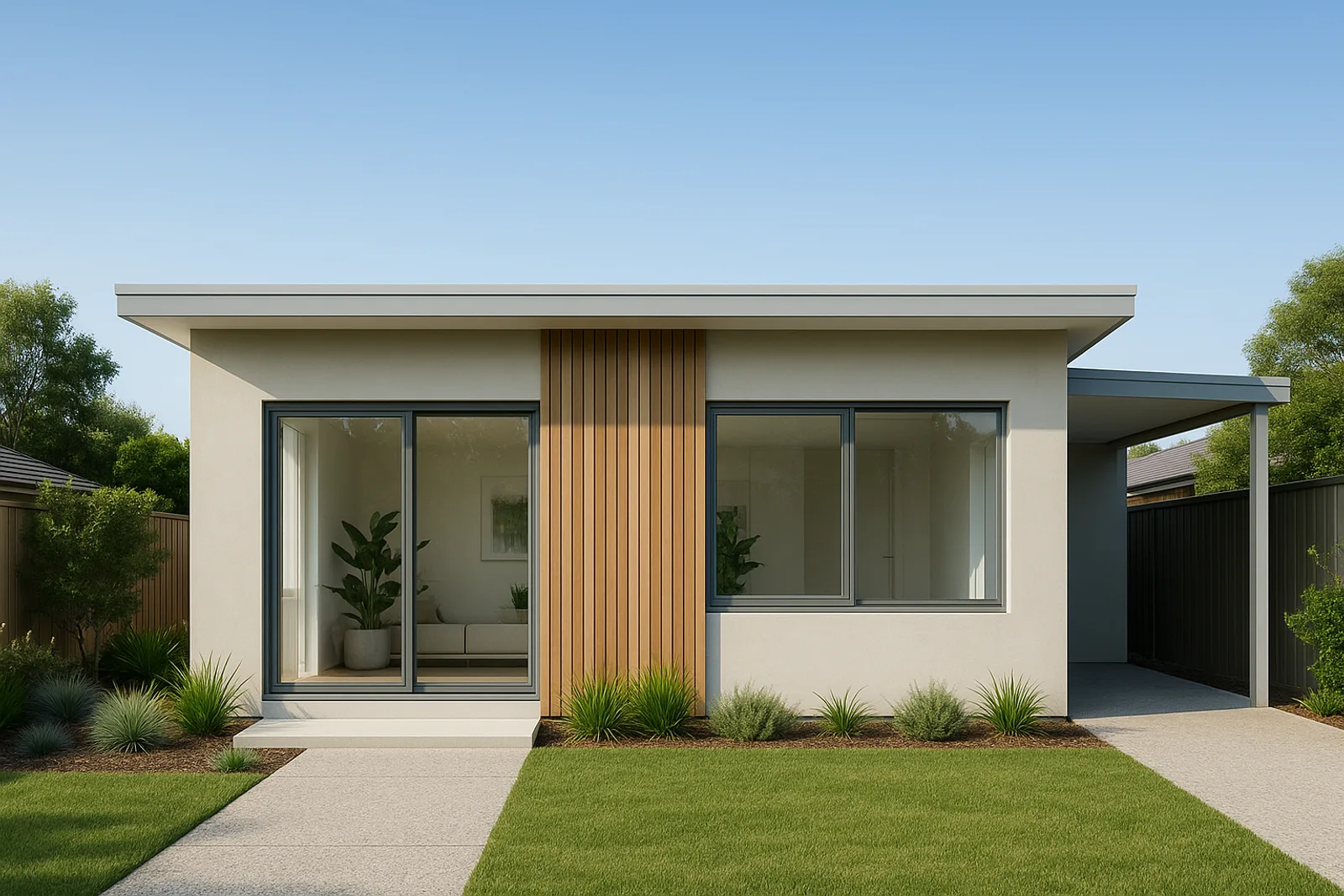 WA · Perth Granny flat
 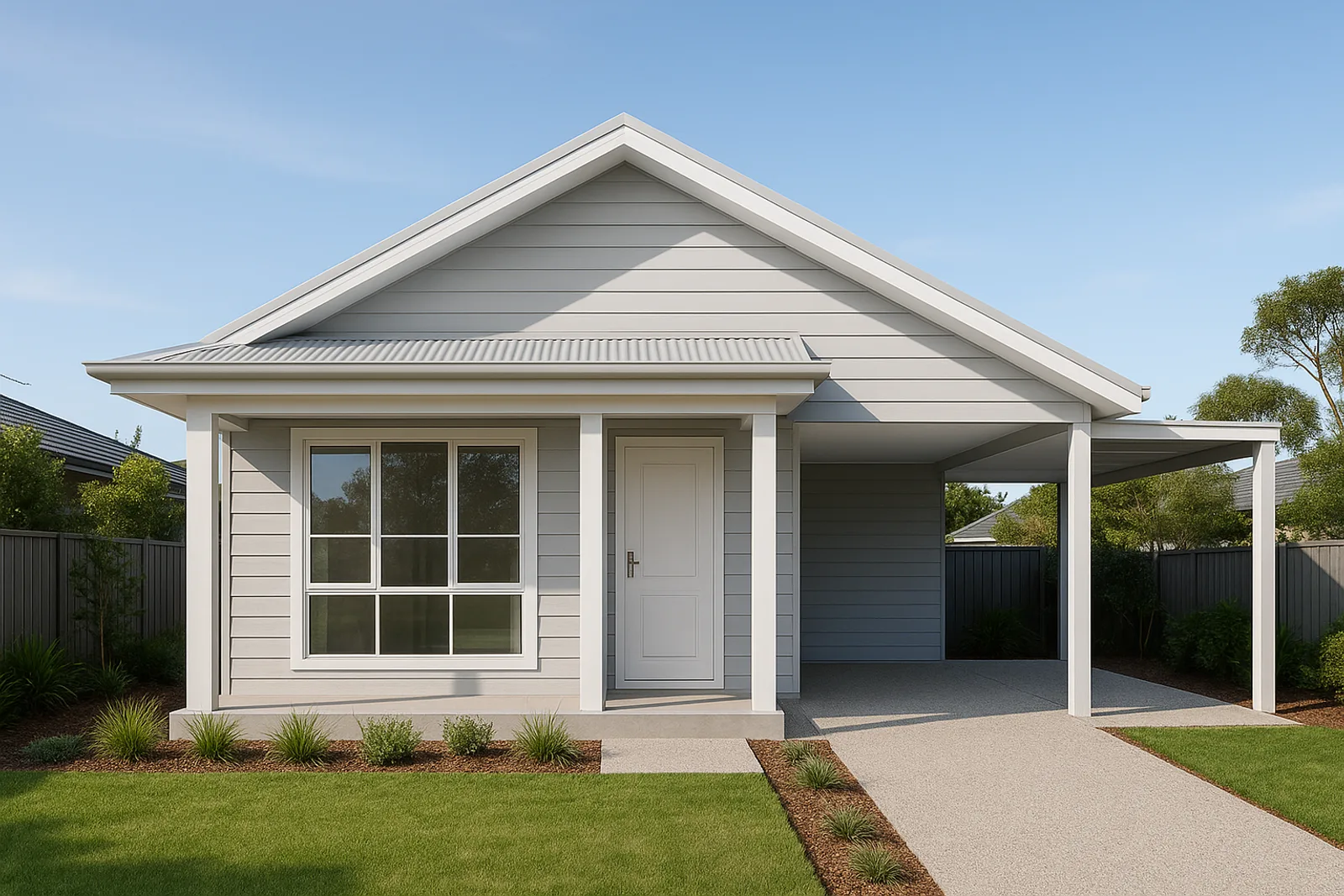 WA · Perth Granny flat
 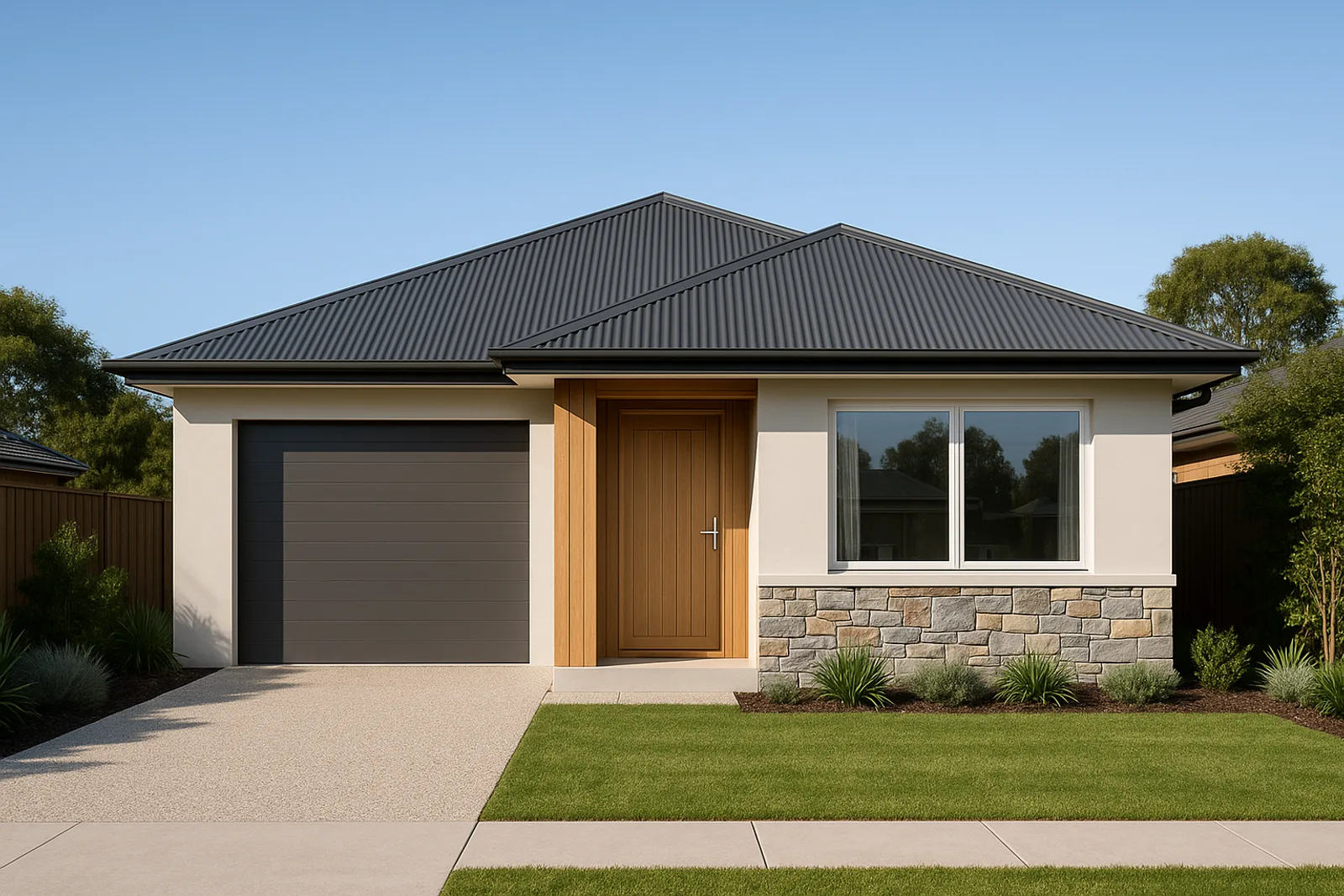 WA · Perth 4 bed
 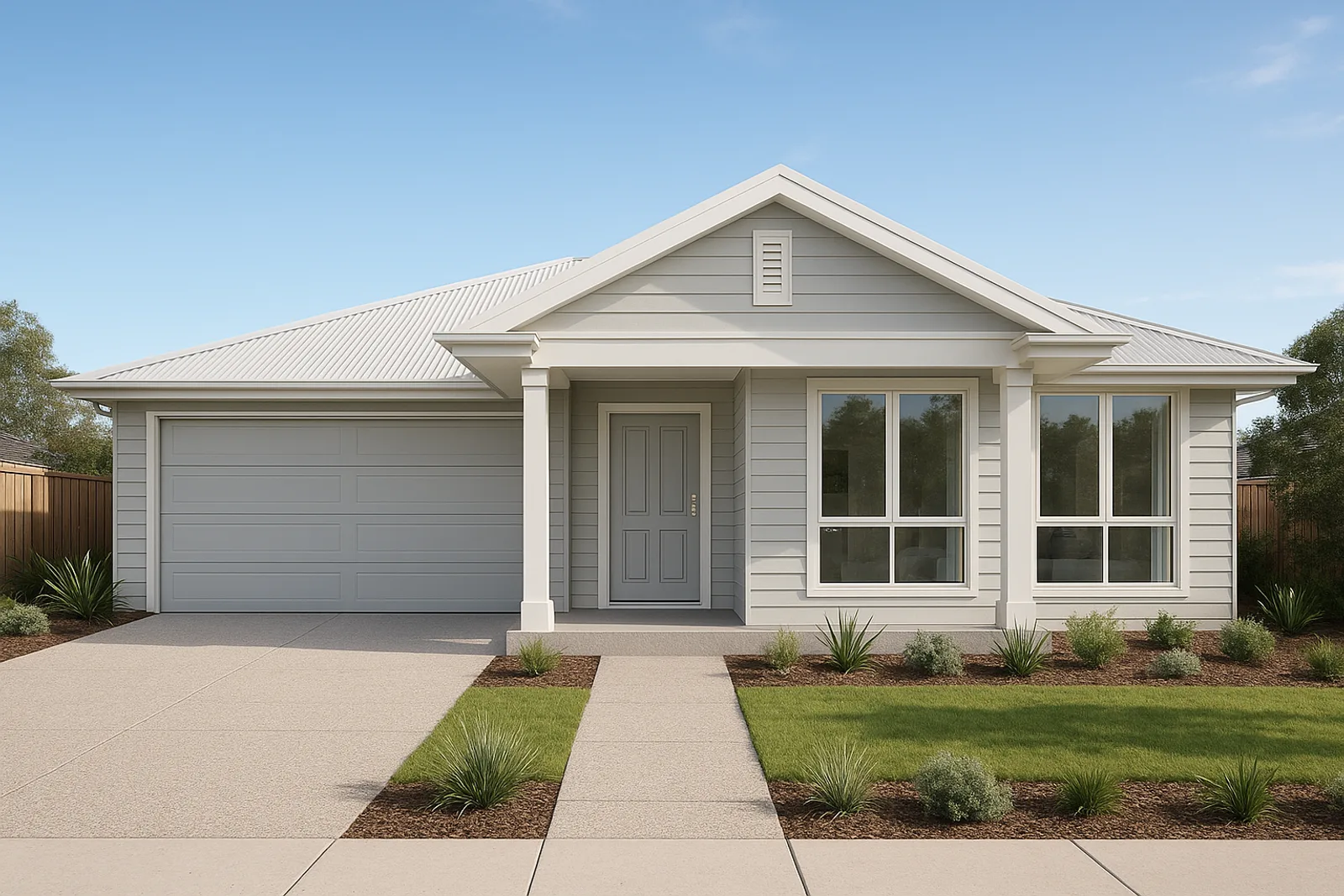 WA · Perth 4 bed
 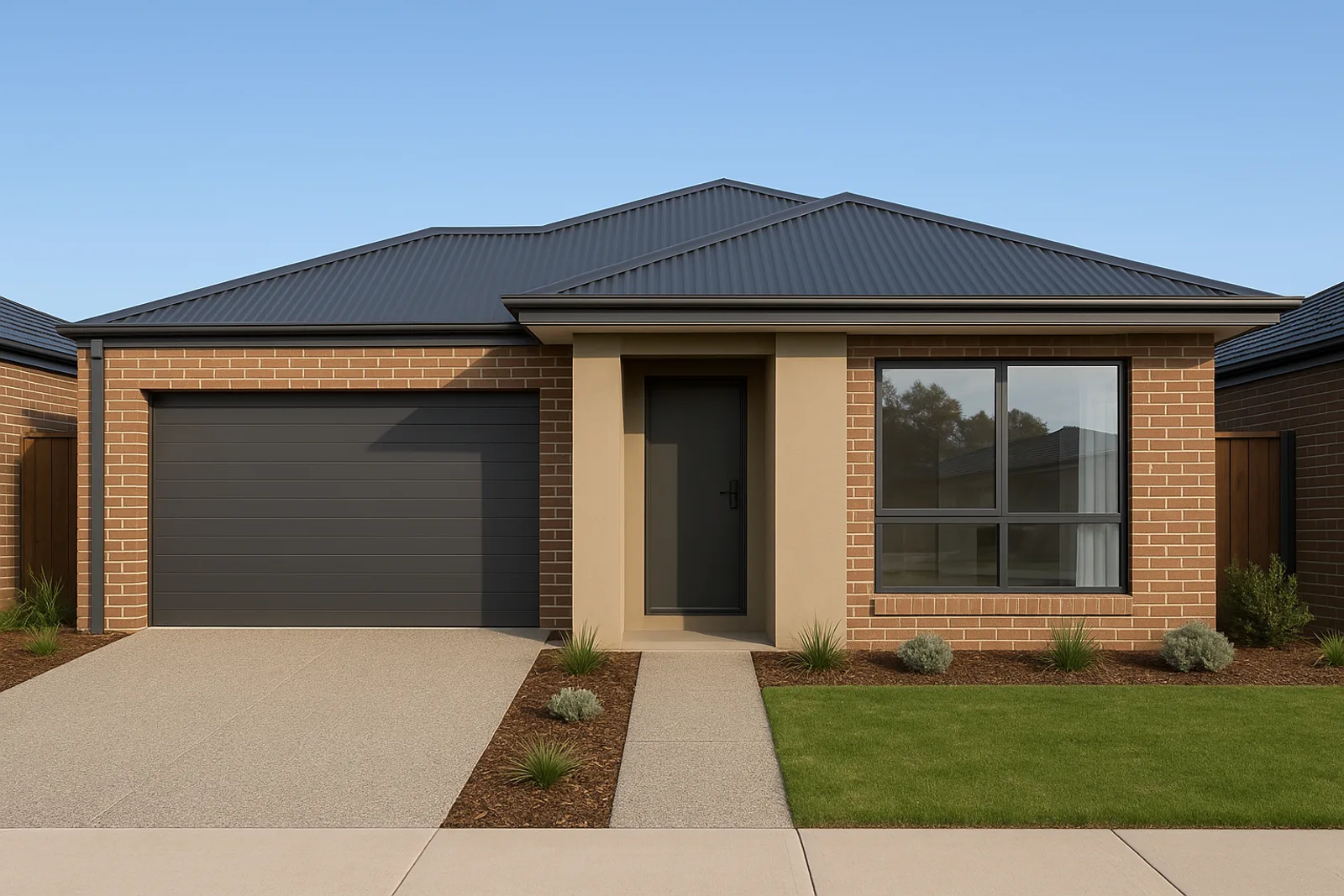 WA · Perth 4 bed
 Where the build cost and the rent line up.
We publish the real siteworks figure for every suburb, so you can compare the all-in build cost corridor by corridor. Land is separate.
Turnkey, so it is tenant-ready
A turnkey contract finishes flooring, paint, blinds, fencing and landscaping, so the property lets the day it hands over with no surprise spend. Turnkey explained →
Investment finance, in house
Construction loans, serviceability and investment lending coordinated with your build, so the loan and the build do not fall between two desks. Explore finance →
What yield can a new build get in Perth?
Gross yield depends on the build cost and the achievable rent. Using a real catalogue example, Horizon costs $335,528 to build in Baldivis (home plus siteworks, land separate). At an indicative $620 per week, that is a gross yield of about 9.6% against the build cost. This is illustrative only, not a forecast or advice.
Why do investors prefer a new build over an established home?
A new build gives you the full depreciation schedule from settlement, current energy and build standards, builder warranty, lower maintenance, and the new-home grants and duty concessions on eligible purchases. Established stock has already had its depreciation claimed and often needs near-term capital works.
How much depreciation can I claim on a brand-new build?
Capital works on a new residential building are generally deductible at 2.5% a year over 40 years, and plant and equipment items depreciate faster on their own schedules. Exact figures need a registered quantity surveyor schedule for your property, and we never quote a deduction figure without one.
What is a dual-income property?
A dual-income property collects two rents from one block. The two routes are a granny flat behind the main home, or a dual-key design split into two self-contained dwellings under one title. Both lift gross yield versus a single-tenancy home. A granny flat like Haven builds from $238,268 in Baldivis.
Is The Property Plug independent?
Yes. We are paid by the builder, never by you. We match you to the right design, builder, land and finance for your investment strategy across our panel, and the introduction is free to you.
How long does an investment build take?
Allow 12 months for a new home and 8 months for a granny flat from build start, subject to approvals, weather and the builder's program. We give you a fixed price and a build timeline before you commit.
Model your next investment with real numbers
One short request. We line up the designs, builders, land and finance for your strategy and show you the all-in build cost before you commit. Free to you, no obligation.